I attended a psychology conference over the weekend and had the privilege to hear Dr. Angela Duckworth, researcher, author, podcast host, and professor of psychology, present as the keynote speaker. The hour-long presentation was life-changing, and I want to detail it here for you.
The One Trait That Leads to Success
Dr. Duckworth is the author of Grit, which you may know from your dad’s bookshelf. In all honesty, that is where I first heard of her, despite my undergraduate degree in psychology. Like most research, Dr. Duckworth did not choose to study grit exactly. Instead, she wanted to figure out if there was one factor that made people successful, and that’s when she uncovered grit.
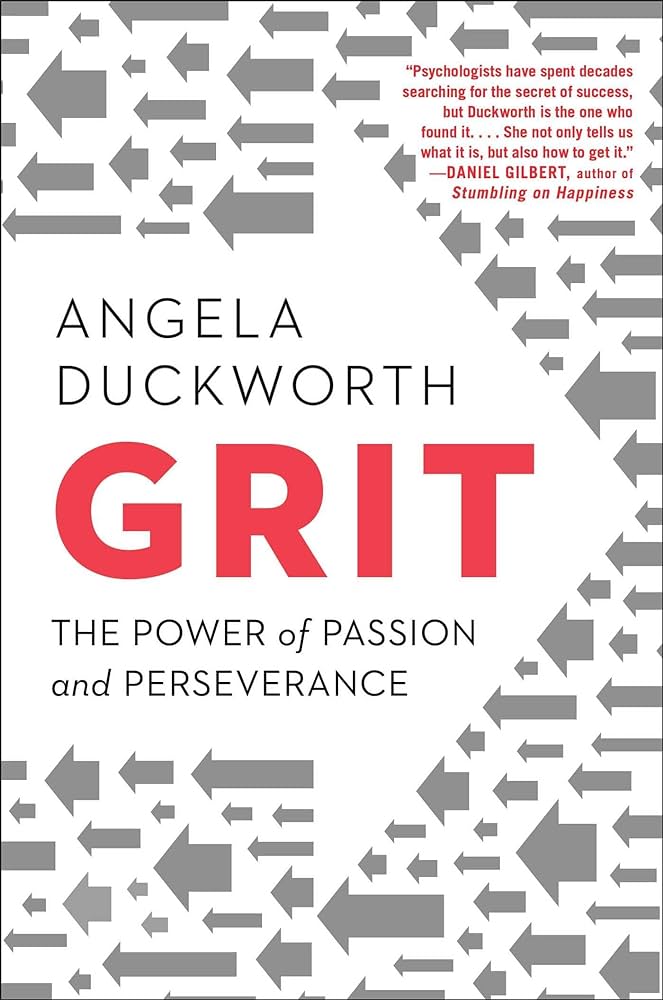
To study a group of highly successful individuals, she went to West Point, the U.S. Military Academy for Army cadets. She studied differences between its graduates and dropouts. The application process for West Point takes about two years, yet most dropouts choose to do so within the first two months. Why is that? Those who dropped out had intensity, but not consistency. Those who graduated and continued to serve their four years after achieving officer status had long-term passion and perseverance for their goals. This defines grit: passion & perseverance. It is the deliberate consistency, and not intensity, that leads to success.
Grit: enduring passion & perseverance for long-term goals
The Takeaway:
Commit daily time to work on your long-term goals and remember why you started (i.e. remember your “why”).

The 10,000 Hour Rule
If I have the “remember my why” part covered, how can I achieve the consistency part?
Malcolm Gladwell came up with this 10,000 hour rule, which people misinterpret to mean that with 10,000 hours of practice, you automatically become an expert at whatever skill it is you are practicing. However, with mediocre practice, you reach a plateau. Dr. Duckworth suggests this cycle instead:
- Decide on a small subskill to practice
- Practice with 100% focus
- Accept feedback & reflect
- Repeat
This cycle is the operational definition of the 10,000 hour rule, which really states: perfect deliberate practice makes perfect greatness.
Meeting a Role Model
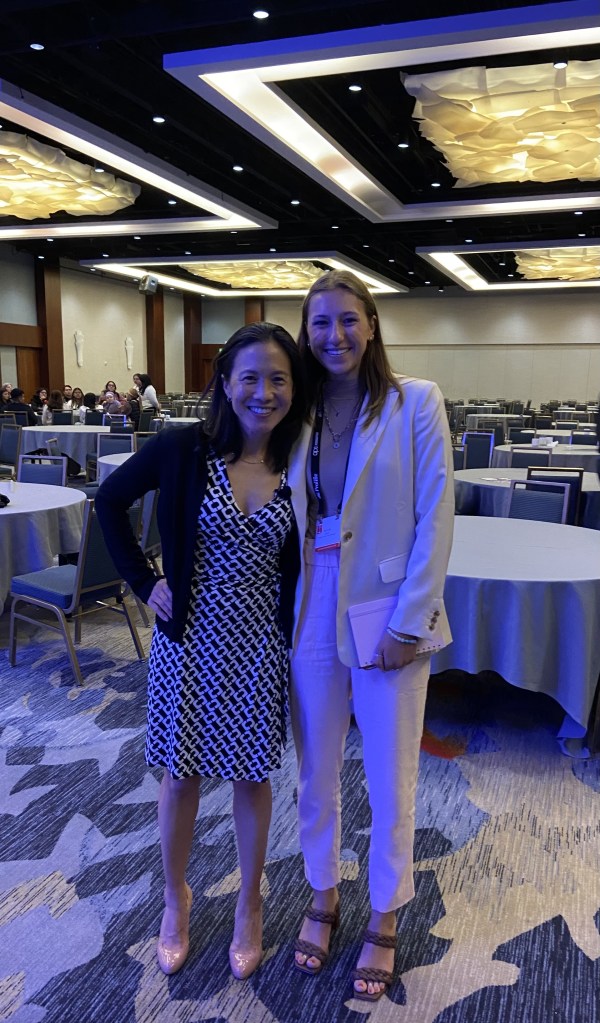
After the talk, I stood in a line of other inspired students to meet Dr. Duckworth. She is incredibly kind, humble, and everything I hope to be in the future. Her presentation was engaging, and her speaking skills are clearly refined. As a fiction writer (and blogger), I asked her how to start writing psychology books for the general audience. She said the first step is to outline. With an outline, the piece practically writes itself. So, take that free advice, along with all these research-based practices, and go be successful!
Any questions? Drop them in the comments, and we’ll start a scientific discussion!
xoxo,
k.c.
 Colorful Life
[…] post is a continuation of my previous article and tells the rest of the How to Be Successful story, according to keynote speaker Dr. Angela […]
LikeLike